In today’s rapidly evolving e-commerce landscape, payment security is more critical than ever. Consumers expect not only convenience but also safety when handing over their sensitive payment details. If you’ve ever wondered, “Is it normal for a payment provider to use encryption and fraud detection?” — the straightforward answer is yes. Encryption and fraud detection are industry-standard practices that protect your money and data.
The Changing Face of Payments: From Cash Decline to Digital-First Commerce
According to UK Finance, cash usage in the UK has declined significantly over the past decade. The pandemic accelerated this shift as shoppers favored touchless, digital-first options. Digital wallets like Apple Pay and Google Pay are increasingly popular alternatives to both cash and cards, enabling swift checkouts without fumbling for pockets or cards.
Alongside wallets, bank transfer technologies are advancing quickly, leveraging open banking frameworks. These systems let you pay directly from your bank account without traditional card networks, often enhancing security and reducing fees.

Cards Still Matter, But They’re No Longer the Only Default
Cards have historically dominated e-commerce payments, but today’s shopper has more choices. The convenience of cards remains strong, but digital wallets and bank transfers are gaining ground. Payment providers, including platforms like MrQ, recognize this diversity and offer multiple payment options.
The rise of digital wallets aligns with frictionless checkout experiences consumers crave. For example, unlocking your phone with a fingerprint or face scan to authorize payment cuts down on form filling and error-prone typing. At the same time, bank transfer options offer a straightforward way to move money securely through regulated banking portals.
Encryption: What it Means for Your Online Security
Encryption is the backbone of online payment security. When you enter your card details or bank info on a checkout page, encryption scrambles the data into code so that unauthorized parties cannot read it during transmission. This process protects you from hackers who might intercept your payment info on insecure networks.
- Transport Layer Security (TLS): Most sites use TLS protocols indicated by the "https://" prefix and a padlock symbol in your browser address bar. End-to-end encryption: Some providers encrypt data all the way from your device to the payment processor to minimize risk further.
Encryption is no longer optional: it’s a baseline expectation from both consumers and regulators. Payment providers without encryption simply wouldn’t be trusted, and in many cases, would be breaking compliance rules.
Fraud Detection: How Payment Providers Keep Your Money Safe
Fraud detection refers to the tools and processes payment providers use to identify and block suspicious transactions before any loss happens. Modern fraud detection relies on artificial intelligence, machine learning, and behavioral analytics. For example:
- Monitoring unusual spending patterns, such as a sudden high-value purchase or multiple failed card attempts. Geolocation checks to verify if purchases originate from typical user locations. Device fingerprinting to recognize returning customers or flag unknown devices.
Tools like Google reCAPTCHA also come into play by distinguishing real customers from matzav.com bots trying to test stolen cards or launch denial-of-service attacks. Payment providers integrate these checks behind the scenes, so legitimate buyers aren’t burdened with additional steps.
Common Mistakes When Looking at Payment Security Features
One key mistake is to assume payment providers will reveal all transaction details upfront, such as prices, fees, or exact transaction limits. Many articles or resources discussing payment security skip these crucial points. To truly evaluate a payment service, look for transparent fee disclosures and terms.
Lack of clear pricing information can lead to unexpected charges or limits that frustrate customers and merchants alike. For example, certain digital wallets or bank transfer systems might impose thresholds or delay periods not immediately obvious without thorough documentation.
Case Study: How MrQ Balances Security and Customer Experience
MrQ, a UK-based digital bingo platform, exemplifies the modern approach to payments:
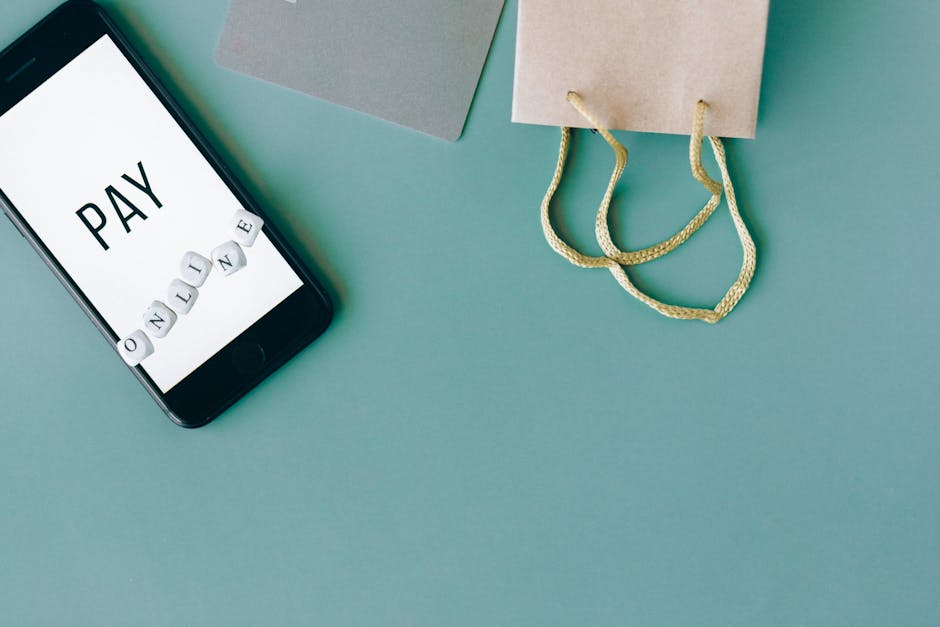
- They support multiple payment methods, including cards, digital wallets, and bank transfer options compliant with open banking standards. MrQ employs encryption to safeguard player deposit details, ensuring that sensitive data is never exposed unprotected. They incorporate fraud detection layers that analyze user behavior patterns while keeping the checkout process smooth and intuitive.
Through this mix of security protocols and diverse payment methods, MrQ meets consumer demands for fast, secure, and flexible payment experiences.
The Future of Payment Security: Integration and Innovation
The industry will continue shifting towards greater integration between secure payment methods and seamless user experiences. Open banking initiatives pave the way for more real-time bank transfers with built-in security. Digital wallets improve their authentication methods to reduce checkout friction.
Meanwhile, fraud detection systems will evolve with smarter AI capable of catching more subtle fraudulent attempts without blocking legitimate buyers. Encryption methods will continue advancing, possibly incorporating quantum cryptography to anticipate future cyber risks.
Summary: Yes, Encryption and Fraud Detection Are Absolutely Normal — and Necessary
If you’re shopping or running an e-commerce platform, encryption and fraud detection aren’t optional extras; they’re required to protect people and money. They maintain trust in digital-first commerce as cash declines and payment options diversify.
Remember to:
- Use platforms supporting encryption protocols at every payment step. Look for fraud detection technologies that run silently and efficiently. Understand the payment methods offered, from cards to digital wallets and bank transfers. Check for transparent fee structures and transaction limits before committing.
With the right payment provider, you can have peace of mind without sacrificing convenience — exactly what today’s shoppers expect.